

Videogame-crash
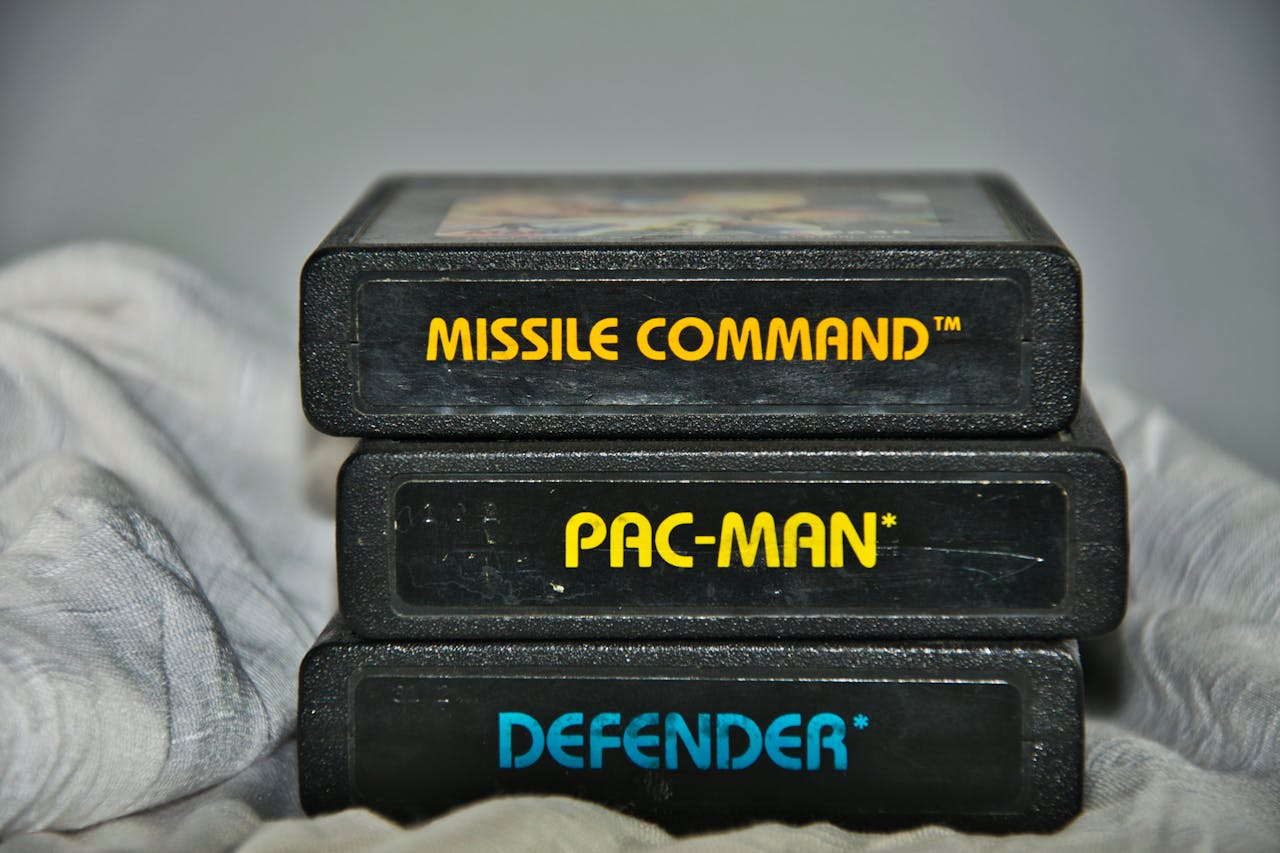
It is hard to imagine now, but there was a moment when the entire videogame industry nearly collapsed. In 1983, things went completely wrong. Too many bad games, too many consoles, and players simply stopped caring. What looked like a booming market suddenly crashed.
Introduction: from hype to chaos
Just a few years before the crash, gaming was exploding. Arcades were packed, and home consoles were becoming more popular.
But then things got messy. Companies rushed to release games as fast as possible. Quality dropped. And players noticed.
At some point, people just stopped trusting new games. And that was the real problem.
What caused the videogame crash?
It was not just one thing. It was a mix of bad decisions and too much supply. The market became overloaded.
Imagine walking into a store and seeing dozens of games, but having no idea which ones were actually good. That was the situation.
- Too many low-quality games flooding the market
- Too many consoles competing with each other
- Lack of control over what got released
- Loss of trust from players
Impact: how bad did it get?
It got really bad. Companies lost huge amounts of money. Some went bankrupt. Others just gave up on gaming completely.
Stores stopped selling games because they were not selling anymore. Consoles were heavily discounted just to get rid of stock.
For a moment, it actually looked like videogames might be just a short trend that was already over.
Did you know? Strange facts about the crash
There are some wild stories from this period that show how serious things were.
- Thousands of unsold game cartridges were literally buried in the desert
- Some games were rushed so fast they were barely playable
- Players started avoiding new releases completely
- The industry lost billions in revenue
And yeah, that idea of broken or rushed games? That started way back then.
Why the crash still matters today
This moment changed the industry forever. Developers realized that quality actually matters. A lot.
It also led to stricter control over games. Companies became more careful about what they released.
And when the industry recovered, it came back stronger. New systems, better games, and more focus on player experience.
You can still see the lessons today. When too many bad games release, players lose trust quickly. That has not changed.
Conclusion: a hard reset for gaming
The videogame crash of 1983 was brutal, but it was also necessary in a way. It forced the industry to reset.
After the crash, things slowly improved. Better games, more structure, and more focus on quality.
Want to learn more about this moment? Check this page: Read more about the videogame crash
In short: the crash happened because of too many bad games and too little control. It nearly destroyed gaming, but also helped rebuild it into something much better. Without this moment, the industry might not be where it is today.
FAQ about the videogame crash
What was the videogame crash of 1983?
It was a major collapse of the videogame industry caused by oversaturation and low-quality games.
Why did the crash happen?
Because too many poor-quality games and consoles flooded the market, causing players to lose trust.
How did it affect companies?
Many companies lost money, went bankrupt, or left the gaming industry entirely.
Did gaming recover after the crash?
Yes, the industry eventually recovered with better quality control and stronger game design.
Why is this event important today?
It showed that quality and trust are essential for long-term success in gaming.


