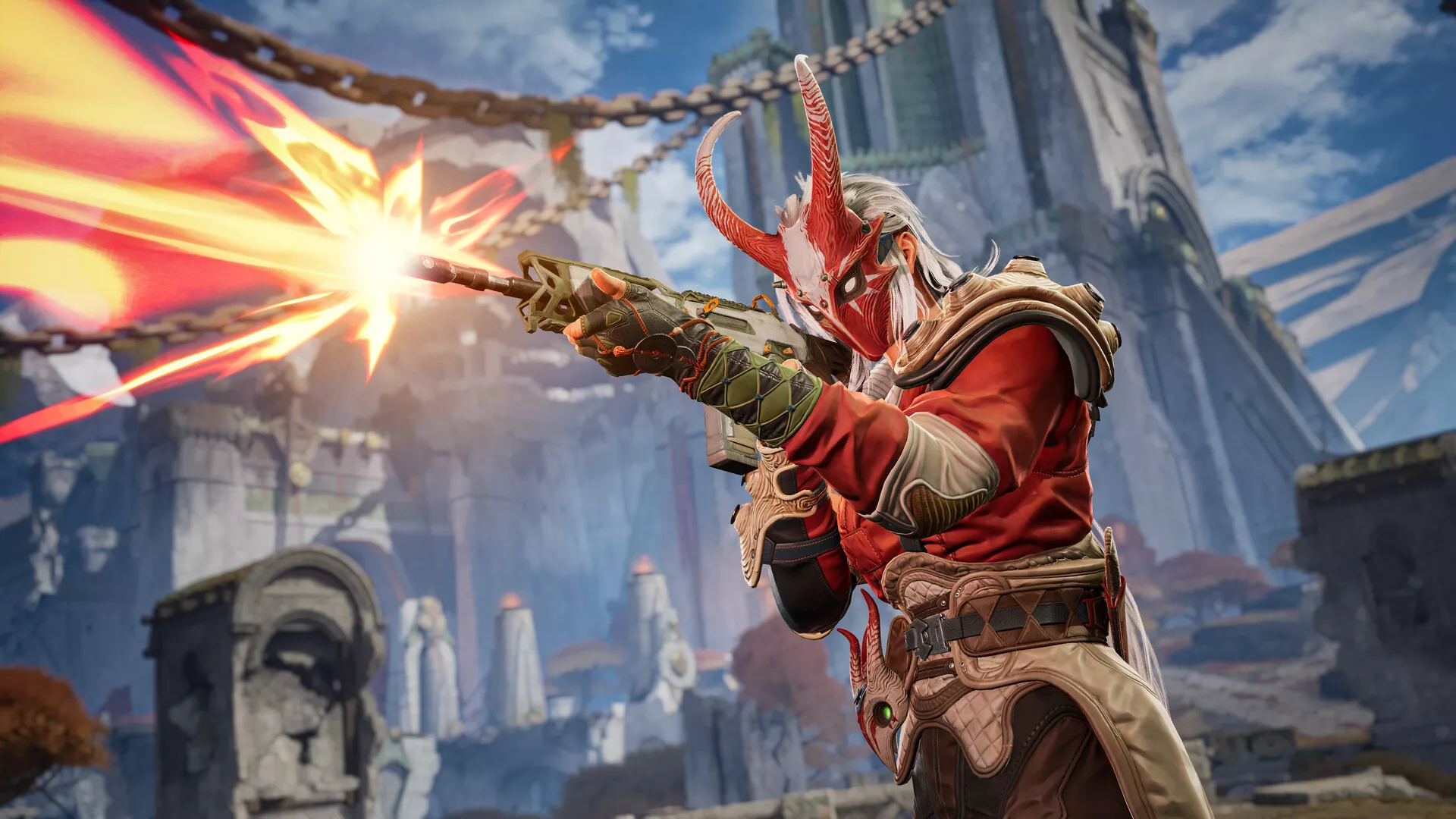

Highguard had quite an unusual journey. Revealed as the final announcement at The Game Awards 2025, the free-to-play PvP shooter arrived with plenty of attention and ambitious plans. Developed by Wildlight Entertainment, a studio featuring veterans from Apex Legends and Titanfall, it promised something different: a mix of hero shooter combat, fantasy abilities and large-scale base raids.
But things didn't go as planned. Highguard launched on January 26, 2026, attracted a large audience during its first days and quickly became the subject of heated discussions. Just 46 days later, its servers were permanently shut down. So what happened, and was there actually a good game hiding underneath all the criticism?
Highguard officially shut down on March 12, 2026, just 46 days after its launch. The game is no longer playable, making this review a look back at a shooter that struggled to maintain its player base.
Gameplay: A Different Kind of PvP Shooter
Highguard wasn't trying to be another traditional team-based shooter. Its main mode featured two teams of three players fighting over territory and trying to destroy each other's bases.
Matches started with players reinforcing their stronghold before heading out into large maps to collect resources, find better equipment and prepare for the next fight. Eventually, both teams would compete for the Shieldbreaker, a powerful sword that could break through the enemy base's defences and start a raid.
That's where the action really picked up. Teams had to attack or defend their bases, coordinate their abilities and work together to destroy the opposing team's core. The combination of shooting, magical abilities, mounts and siege mechanics gave Highguard an identity of its own.
There were some genuinely fun ideas here. Riding into battle, using different weapons and working with your team during a raid could create some memorable moments. Unfortunately, the overall match structure wasn't always as exciting as it sounded on paper.
Large Maps and Repetitive Matches
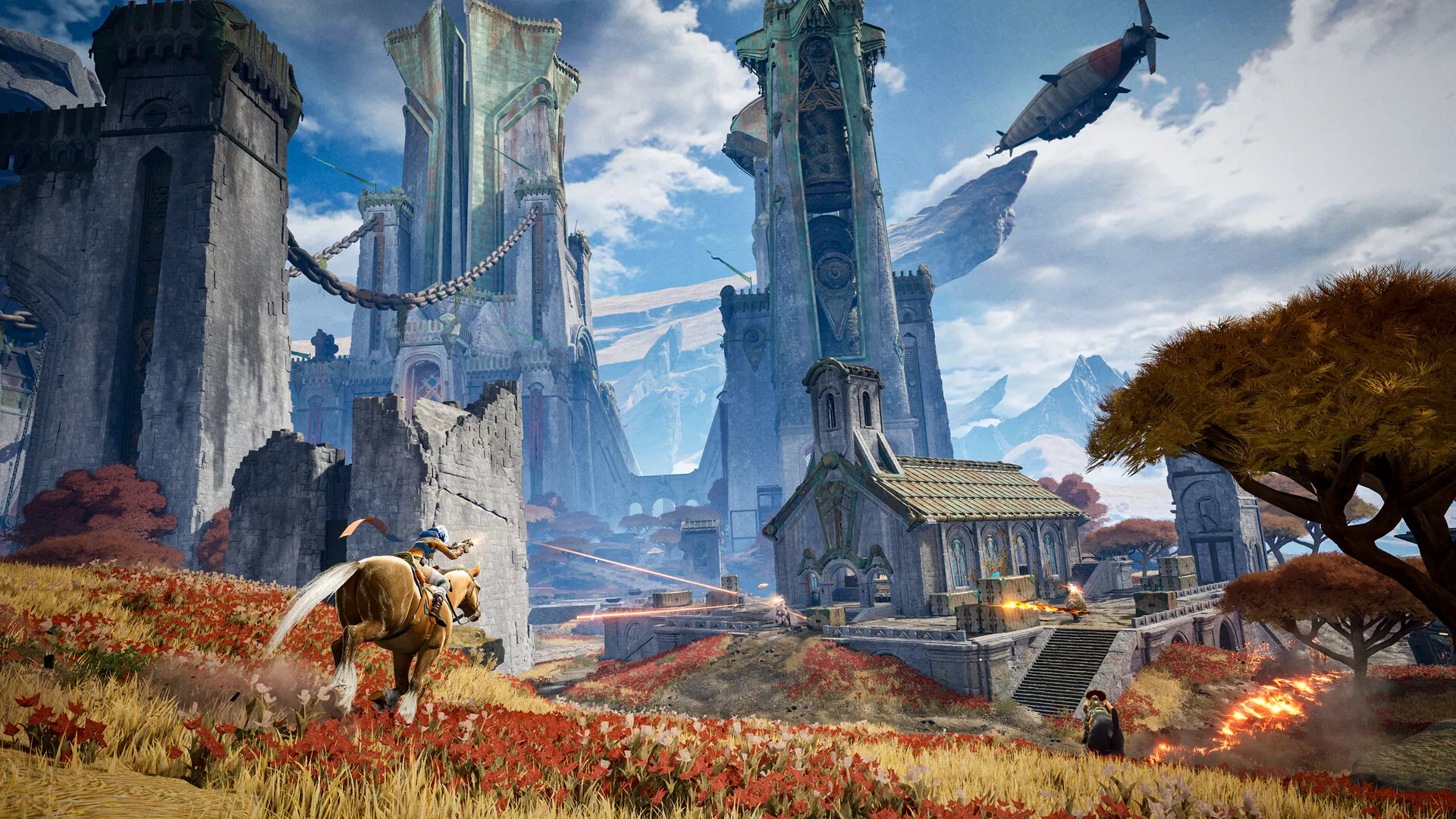
One of the biggest criticisms was the pacing. The maps often felt too large for a 3v3 game, leaving players spending too much time travelling around rather than actually fighting each other.
Collecting resources and searching for equipment were important parts of the experience, but these activities could start feeling repetitive. Instead of constantly being involved in exciting encounters, matches sometimes involved long periods of running around before anything interesting happened.
The raid system had potential, but repeating the same objectives could make matches feel predictable. For a competitive shooter that relies heavily on teamwork and excitement, that was a significant problem.
Performance and Technical Problems
Highguard also faced criticism for its technical performance, particularly during its launch period. Players reported stuttering, frame-rate drops, server connection problems and occasional lobby issues.
Not every player experienced the same problems, but the technical complaints certainly didn't help the game's already difficult launch. For a competitive multiplayer shooter, stable servers and consistent performance are essential. Players need to be able to trust that the game will work when a match gets intense.
Characters, Progression and Design
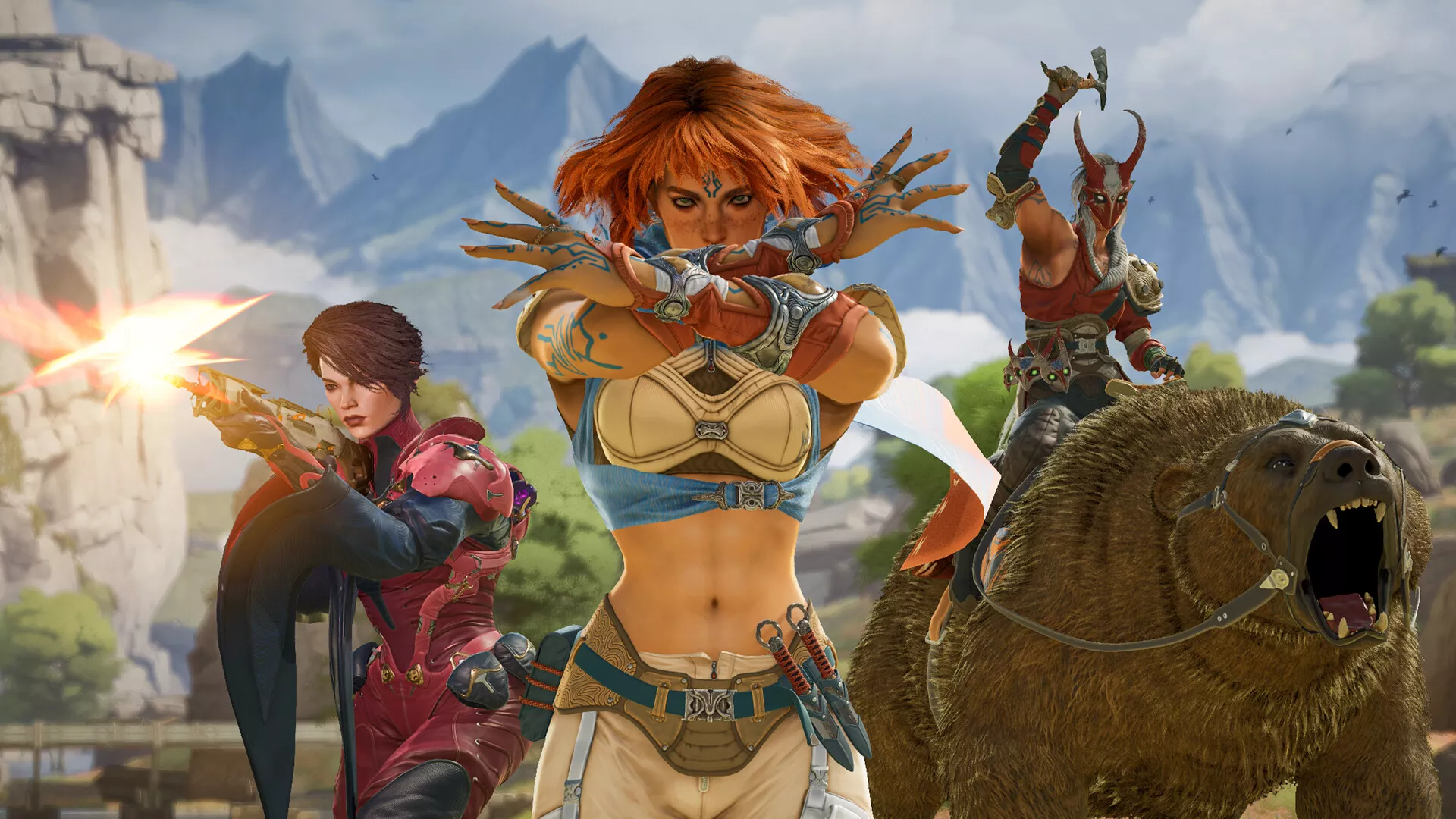
The game featured different Wardens with their own abilities, weapons and playstyles. The fantasy setting also gave it a visual identity that separated it from more traditional military shooters.
However, the characters didn't always feel particularly memorable, and progression could feel limited. Cosmetics and unlockable items provided some reasons to keep playing, but they weren't enough to solve the bigger problems with the gameplay loop.
There were good ideas throughout Highguard, but they didn't always come together into a satisfying experience. The combination of different genres sometimes felt more complicated than it needed to be.
Why Did Highguard Shut Down?
Despite reaching almost 100,000 concurrent players on Steam during launch, Highguard struggled to maintain that interest. The initial excitement quickly faded, while negative reactions and criticism of its gameplay design continued to affect its reputation.
In March 2026, Wildlight Entertainment confirmed that the game would permanently shut down on March 12. According to the developers, more than two million players had stepped into the world of Highguard, but the studio had been unable to build a sustainable player base to support the game in the long term.
It was a surprisingly short lifespan for a game that had been presented as the beginning of a much larger live-service experience. Even a final content update couldn't change its fate.
Verdict: An Ambitious Shooter That Couldn't Find Its Audience
Highguard is an interesting example of how difficult it has become to launch a successful multiplayer game. It tried to combine hero shooter mechanics, resource gathering, fantasy abilities and base raids into one experience. Some of those ideas genuinely worked, but the overall design struggled to maintain a satisfying pace.
There was potential in its combat, mounts and team-based raids, but large maps, repetitive objectives and technical problems made it difficult to build lasting momentum. Its rapid shutdown was unfortunate, especially considering the ambition behind the project.
With its servers now permanently offline, Highguard is no longer playable. What remains is a reminder that even a game with an experienced development team, a big reveal and millions of players can struggle to survive in today's competitive multiplayer market.
Highguard wasn't short on ambition. It was short on time to get things right.
Game Information
- Released: January 26, 2026
- Shutdown Date: March 12, 2026
- Genre: Free-to-Play PvP Raid Shooter
- Platforms: PC, PlayStation 5, Xbox Series X|S
- Developer: Wildlight Entertainment
- Publisher: Wildlight Entertainment
- Status: Permanently offline
Media Gallery