 Reviews »
Zelda Ocarina Of Time Review 2026
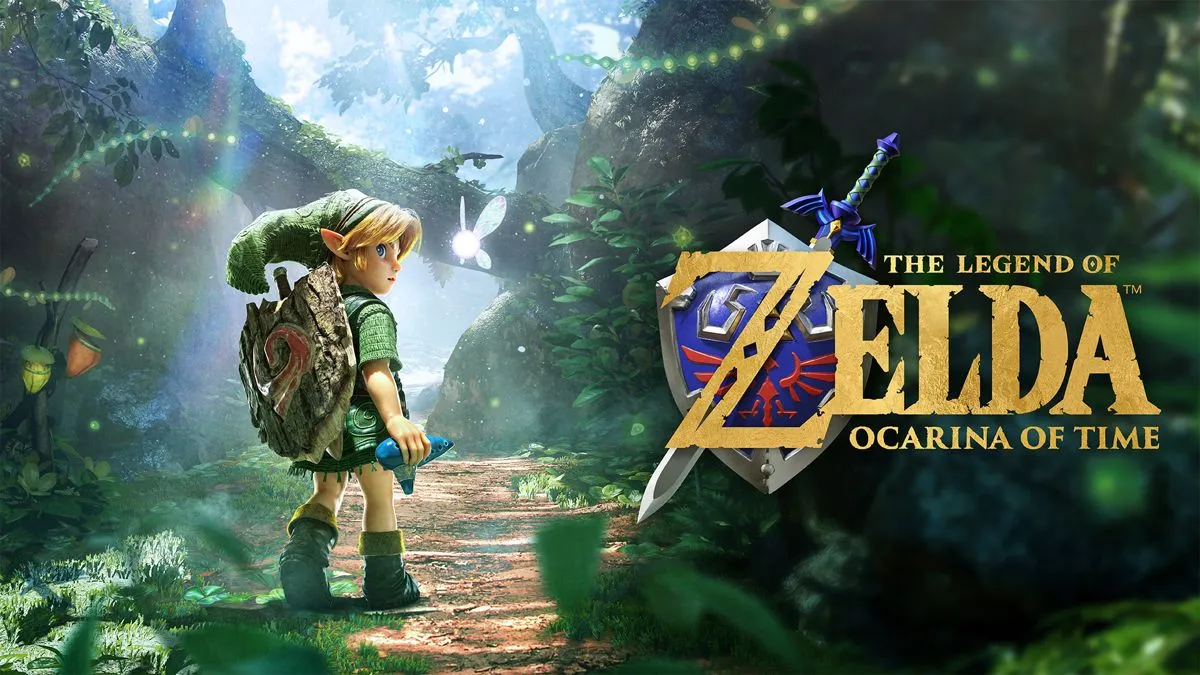
Returning to a game as beloved as The Legend of Zelda: Ocarina of Time is never going to be an easy task for Nintendo. Originally released in 1998, the adventure has spent decades being remembered as one of the most important games in the history of gaming. Expectations surrounding a modern remake were understandably high.
Now, almost 28 years later, Link's journey through Hyrule is back on Nintendo Switch 2. This is considerably more than a simple graphical upgrade. Nintendo has rebuilt the world, reworked the controls, expanded important story moments and given the soundtrack a new orchestral treatment.
The interesting thing is that the remake doesn't try to turn Ocarina of Time into an entirely different Zelda game. Instead, it takes a familiar adventure and removes many of the little frustrations that have accumulated over the years. That approach works surprisingly well, although a few decisions might leave longtime fans wanting something more.
Returning to Hyrule After Almost Three Decades
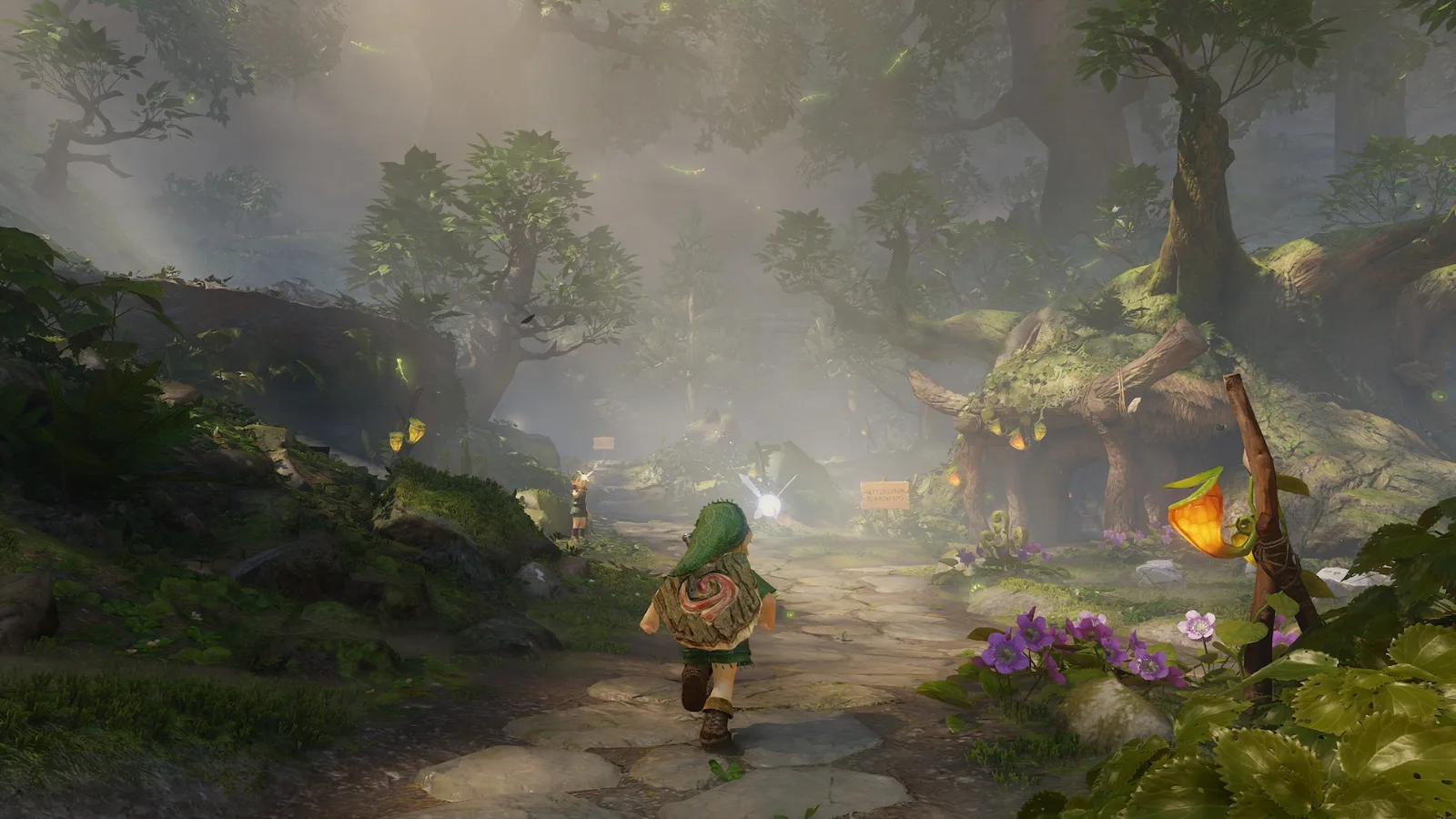
The story begins in Kokiri Forest, where a young Link is called upon by the Great Deku Tree. What starts as a relatively small adventure soon turns into a much bigger journey involving the fate of Hyrule itself.
One of the reasons Ocarina of Time remains so memorable is the way its story unfolds. Players experience the world as both young and adult Link, discovering how much can change over the course of seven years. Familiar places take on a completely different meaning, and characters who once seemed perfectly happy may have very different problems when Link returns.
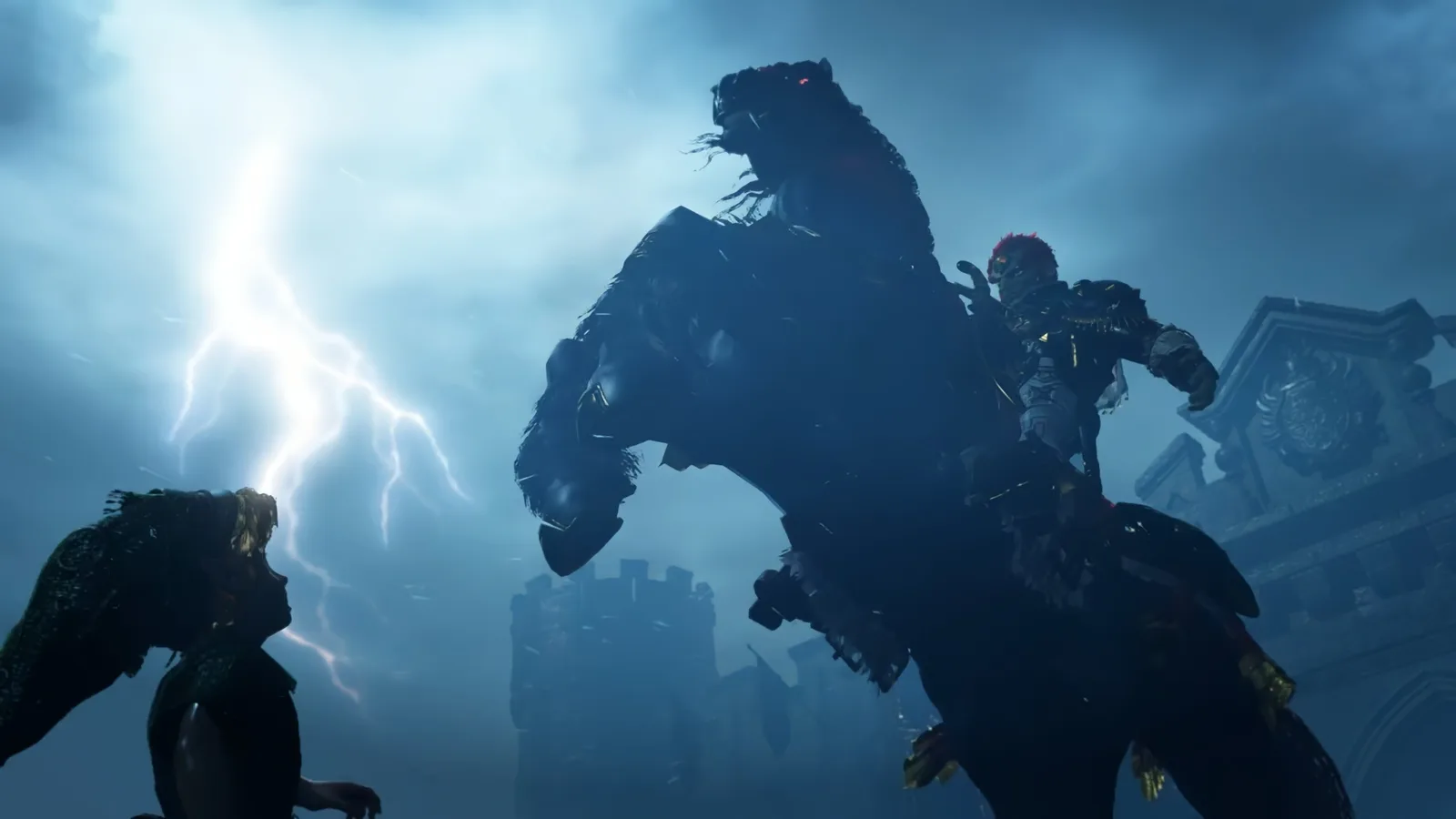
The remake keeps the original storyline intact, but gives important scenes more room to breathe. Dialogue has been expanded, characters have more personality and selected story moments now feature full voice acting.
These changes give the adventure a more cinematic feel. They won't necessarily be everyone's favourite addition, particularly for players who prefer the quieter presentation of the Nintendo 64 original, but they help make the story more accessible to newcomers.
Modern Controls Make a Big Difference
One of the biggest improvements becomes apparent almost immediately. The original Ocarina of Time was designed around the Nintendo 64 controller, and while its controls were revolutionary at the time, certain mechanics haven't aged quite as gracefully as the adventure itself.
Nintendo has made several welcome changes here. Link can now jump using a dedicated button, the camera can be moved freely with the right stick and general movement feels considerably more natural.
It might sound like a small change, but being able to look around properly makes exploring Hyrule much more enjoyable. You spend less time fighting the camera and more time actually taking in your surroundings.
Combat also benefits from the updated controls. The familiar Z-targeting system remains, so fighting enemies still feels recognisably like Ocarina of Time. However, attacks have more impact and the overall experience feels considerably more responsive.
Items, Equipment and Quality-of-Life Improvements
Managing equipment is another area where Nintendo has made some sensible adjustments. Instead of constantly opening the original-style inventory screen, players can access their items through a more convenient selection system.
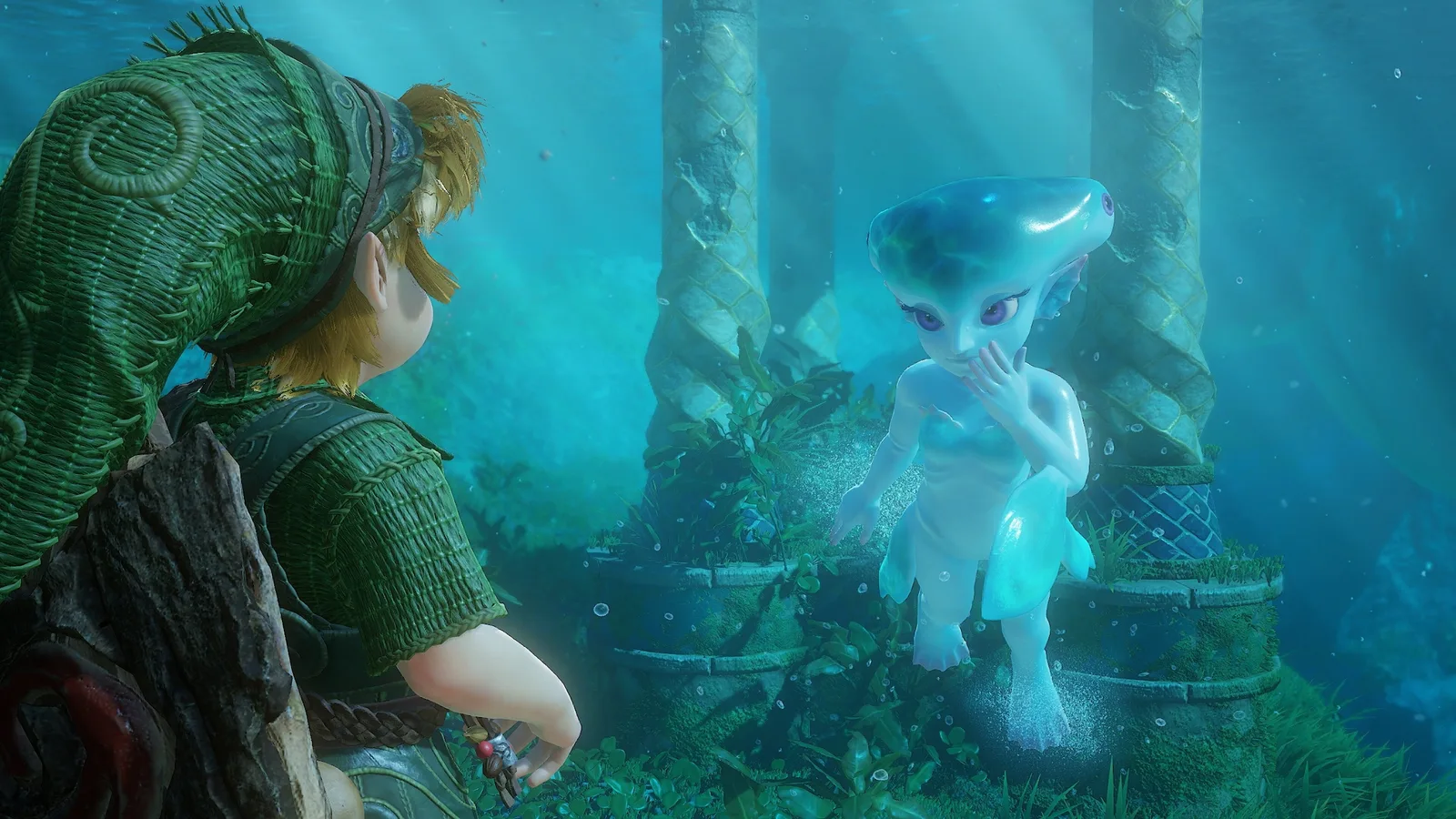
Important equipment such as the Iron Boots can also be assigned to the directional buttons. This is particularly useful in places like the Water Temple, where switching equipment used to interrupt the flow of exploration.
There are plenty of smaller improvements throughout the adventure as well. Saving and returning to the game feels more convenient, while certain familiar mechanics have received adjustments that make them less frustrating.
Even Navi has been made less intrusive. Players who remember being interrupted by constant reminders from Link's little fairy companion may appreciate this change.
A Beautifully Reimagined Hyrule
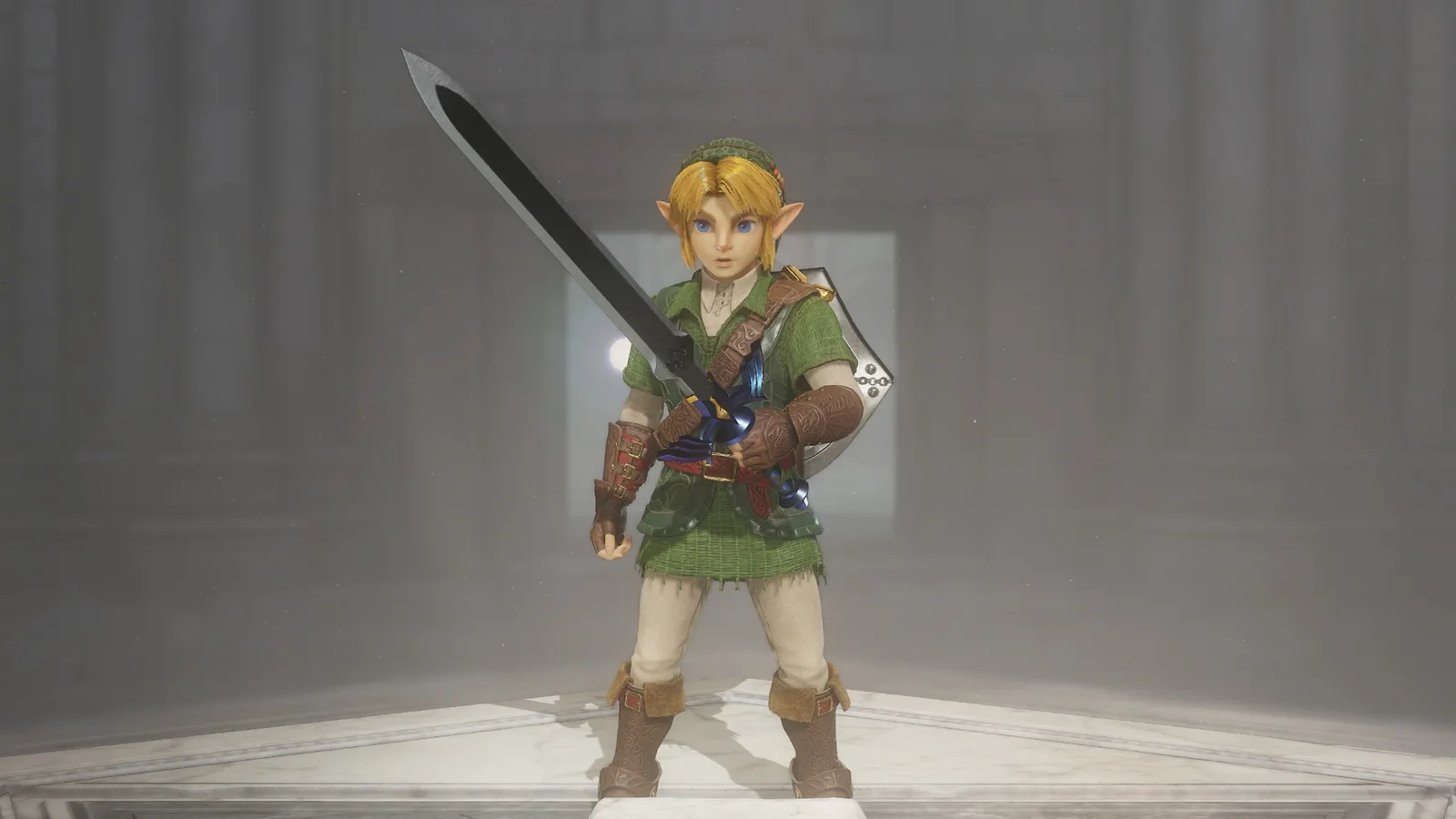
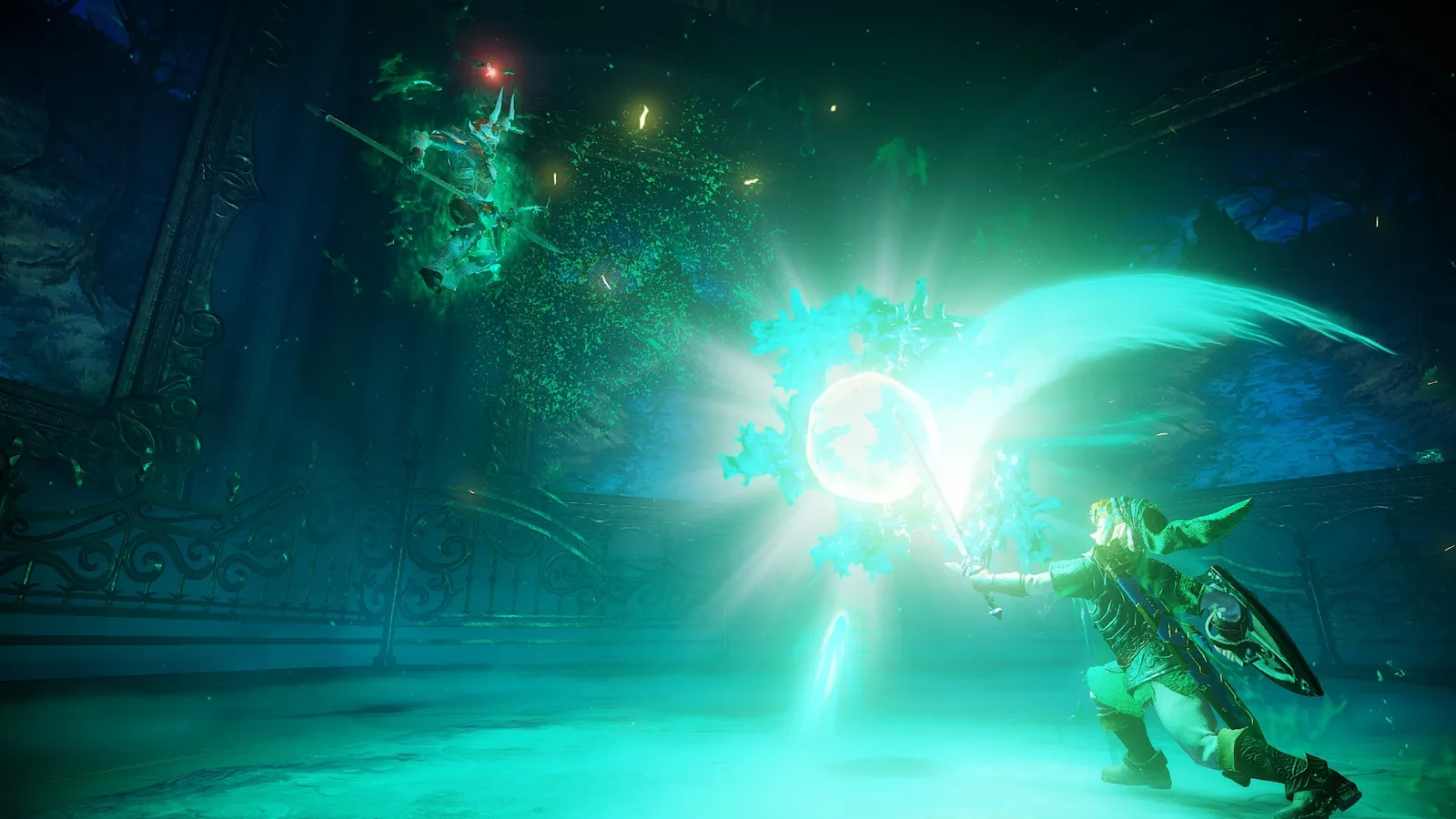
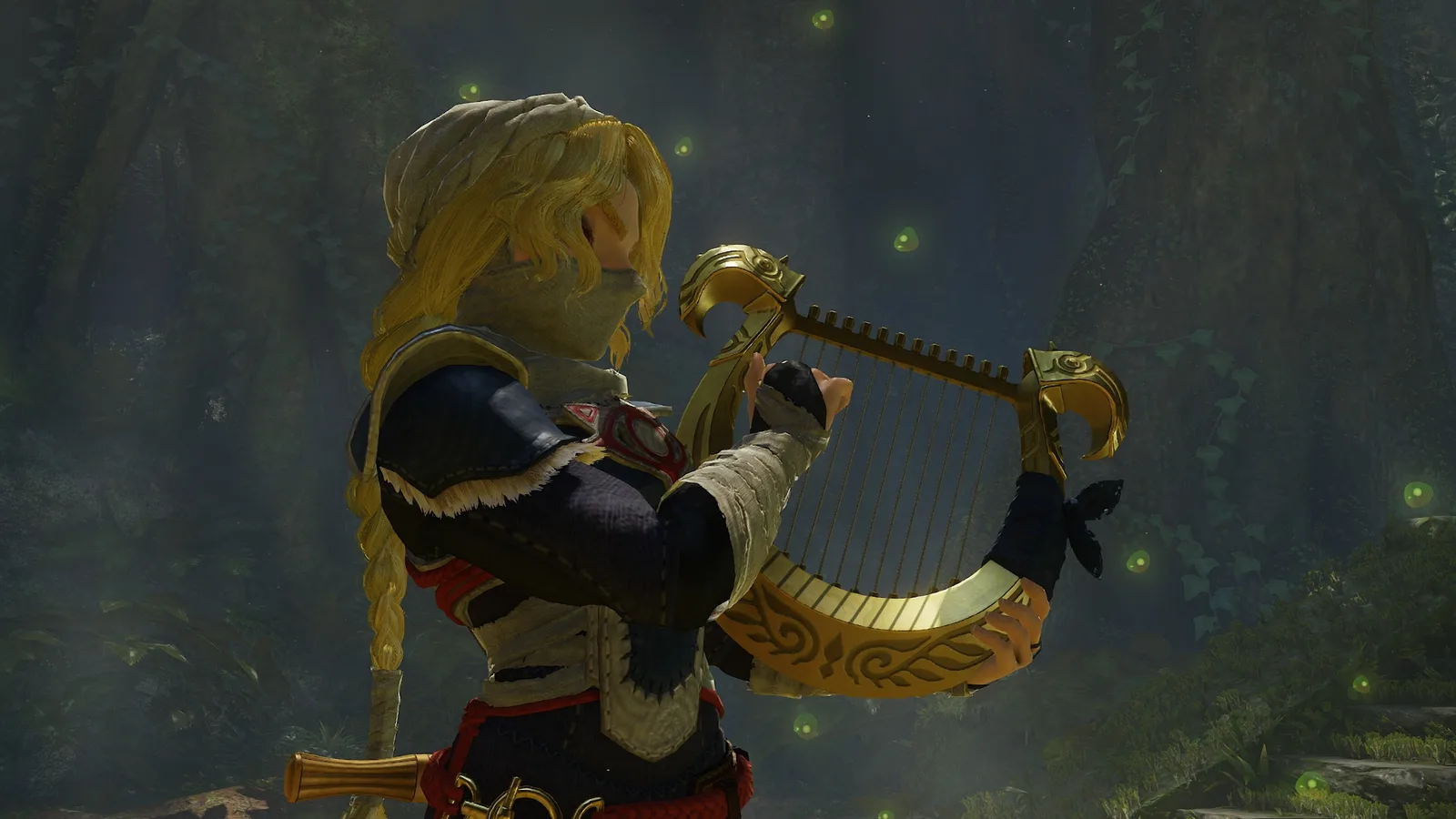
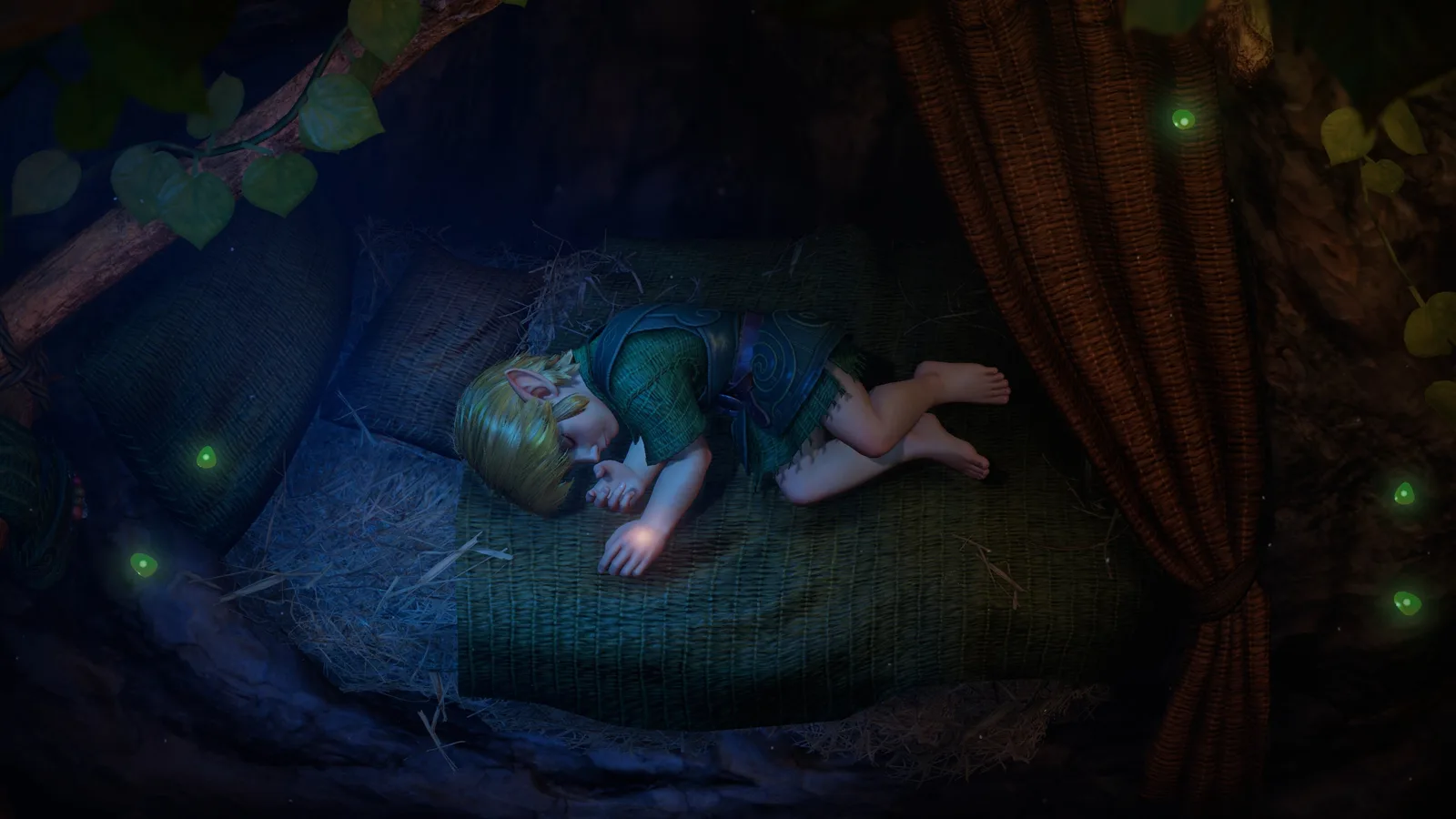
The visual upgrade is probably the first thing returning players will notice. Hyrule looks completely different compared to its Nintendo 64 counterpart, with detailed environments, improved lighting and much more convincing character models.
But what makes the presentation work is that Nintendo hasn't simply tried to make everything look realistic. The characters still have their own distinctive appearance, and familiar locations retain the atmosphere that made them memorable in the first place.
Kokiri Forest, Hyrule Field and the various towns and settlements all benefit from the additional detail. Exploring these places is enjoyable in its own right, even when there isn't a particular objective waiting around the next corner.
The difference becomes especially noticeable when revisiting locations that players may remember from their childhood. What once consisted of relatively simple environments has become a much more convincing world.
There are a few technical imperfections, however. Distant objects can sometimes look overly smooth, and image quality takes a noticeable hit in handheld mode. Some shimmering is also visible when moving the camera around.
These issues don't ruin the experience, but they are worth mentioning in a remake that otherwise makes such a strong visual impression.
Dungeons, Puzzles and New Features
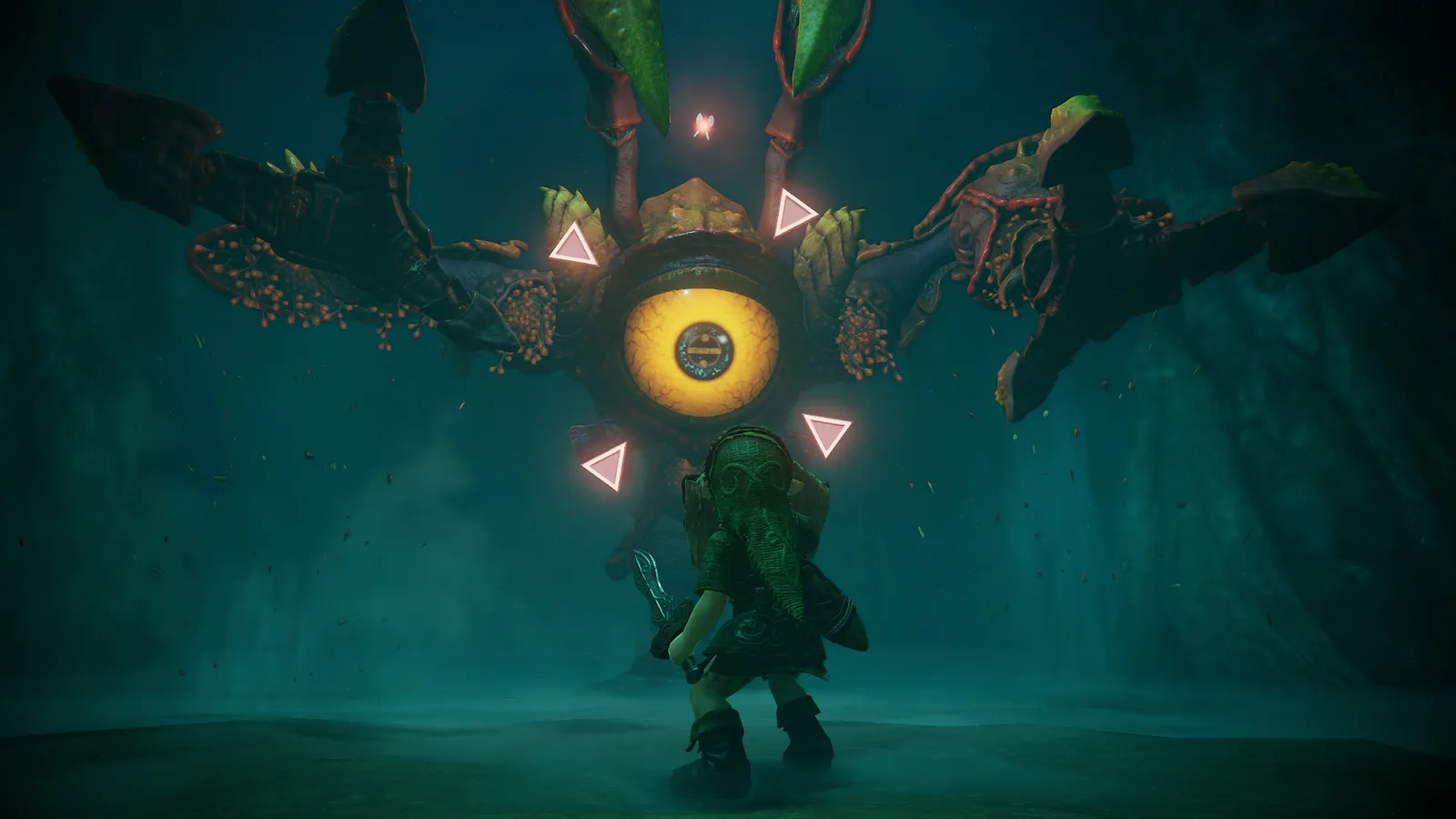
Dungeons have always been one of the strongest parts of Ocarina of Time. Each temple introduces different challenges, new enemies and puzzles that require players to pay attention to their surroundings.
The remake keeps this familiar structure while making certain areas more comfortable to navigate. The Water Temple is a particularly good example. Its reputation for frustrating players has been around for years, largely because of the constant equipment changes required in the original game.
The updated controls make these sections feel much smoother without taking away what made the puzzles interesting in the first place.
Threads of Time and the Hall of Fallen Foes
There are also a few additions that give players something extra to discover.
Threads of Time helps keep track of the player's progress throughout the adventure. It's a useful addition for anyone who occasionally puts a game down for a few days and returns without remembering exactly what they were doing.
The Hall of Fallen Foes is another interesting extra. Here, players can admire the enemies they have defeated, with the opportunity to revisit boss encounters and challenge themselves again.
These features don't fundamentally change the adventure, but they add a little more value for players who enjoy exploring everything the game has to offer.
There is, however, one notable omission: Master Quest. The alternative version of Ocarina of Time offered experienced players a tougher challenge, with altered dungeons and puzzles.
Its absence is disappointing, especially considering how faithfully the remake follows the original structure. Players who already know every dungeon and secret may find the adventure a little too familiar.
The Ocarina and a Wonderful New Soundtrack
Music is a huge part of what makes Ocarina of Time special. The original soundtrack by Koji Kondo is filled with melodies that many players can probably still recognise after all these years.
Nintendo has given these familiar compositions a refreshed orchestral presentation. The result gives important moments more weight while keeping the melodies that made the original soundtrack so memorable.
And then there is the ocarina itself.
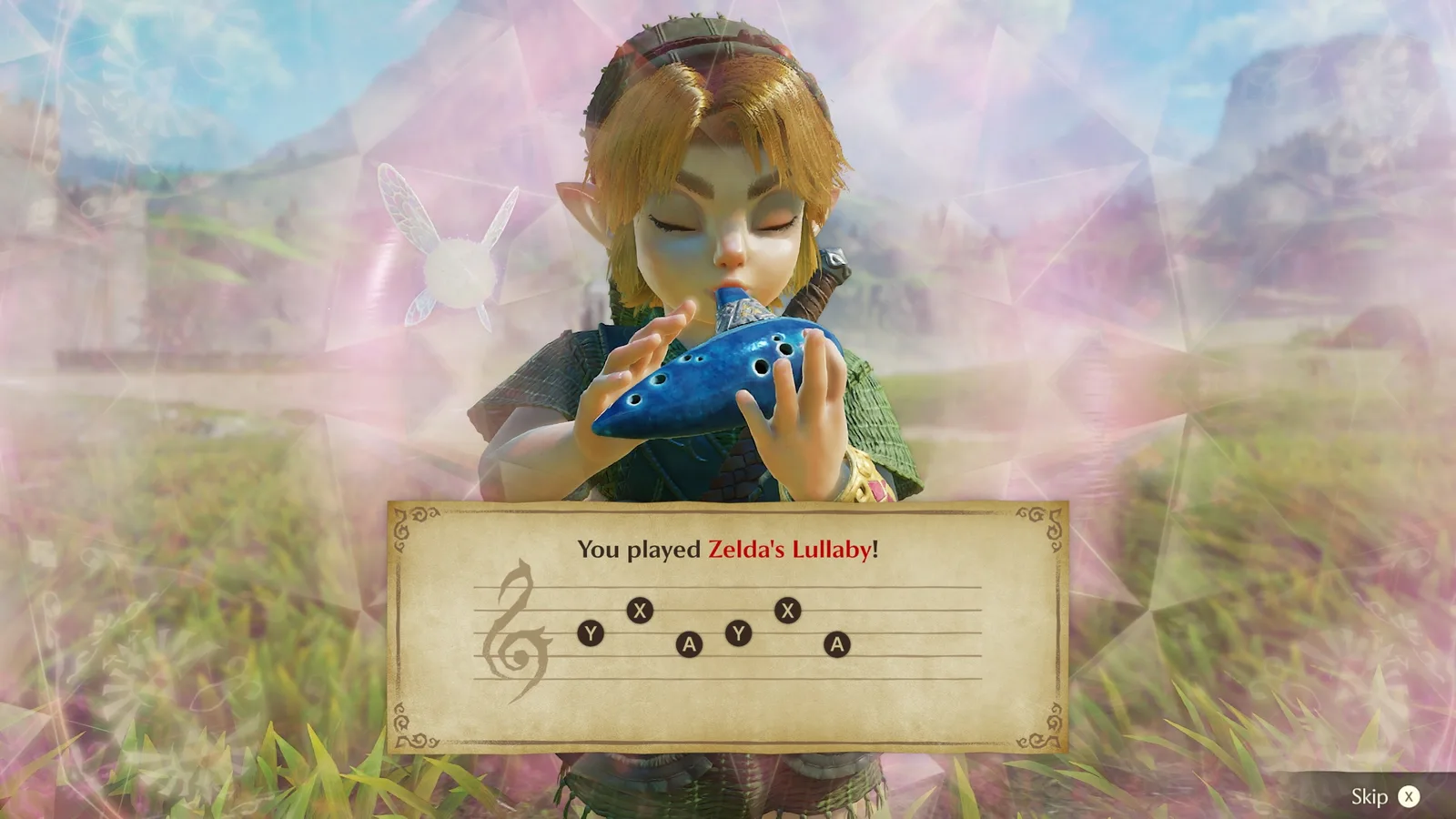
Learning songs and using them to interact with the world remains one of the most recognisable mechanics in the entire series. Zelda's Lullaby, Epona's Song and the Song of Storms are just a few examples of melodies that play an important role during the adventure.
One particularly fun addition is the ability to use the Nintendo Switch 2's built-in microphone to hum melodies yourself. Instead of simply pressing buttons, you can actually sing the songs to make Link play them.
It might not be the most practical way to play the ocarina, but it's certainly a fun little feature. And honestly, there is something quite amusing about humming Zelda melodies into your console.
What Works Well and What Could Be Better
✓ What Works Well
- Beautifully redesigned environments and character models.
- Modern camera controls and improved movement.
- More convenient item and equipment management.
- Expanded dialogue and fully voiced cutscenes.
- A refreshed orchestral soundtrack.
- Fun new features, including microphone-based ocarina controls.
- Useful additions such as Threads of Time.
- The original adventure retains its identity.
✕ What Could Be Better
- No Master Quest or additional hard mode.
- Some visual imperfections in handheld mode.
- Only one manual save slot.
- Experienced players may find the adventure too familiar.
- Some new presentation choices may not appeal to purists.
Final Verdict: Is Ocarina of Time Worth Playing Again?
Remaking a game like Ocarina of Time is always going to come with enormous expectations. It isn't just another old game receiving a fresh coat of paint. This is an adventure that helped define what 3D gaming could be.
Fortunately, Nintendo has understood what makes the original so special. Rather than completely changing the experience, the remake focuses on improving the parts that haven't aged quite as well. The modern controls, redesigned environments and refreshed soundtrack all contribute to a much more comfortable experience.
There is still plenty here for longtime Zelda fans, but newcomers have just as much reason to give this adventure a chance. The story remains engaging, the dungeons are still enjoyable and exploring Hyrule is as rewarding as ever.
Not everything is perfect. The missing Master Quest is a real shame, and some technical imperfections take away a little of the shine. It would also have been nice to see a separate difficulty option for players who already know the original inside out.
Still, these issues don't change the bigger picture. Ocarina of Time remains a wonderful adventure, and this remake gives it the presentation and controls it deserves on modern hardware.
Whether you're returning to Hyrule after many years or experiencing Link's journey for the very first time, this is an adventure that is well worth your time.
A beautiful and thoughtful remake that makes a legendary Zelda adventure feel fresh again. A few missing features keep it from being perfect, but this is still a fantastic return to Hyrule.
Game Information
- Game: The Legend of Zelda: Ocarina of Time
- Released: November 5, 2026
- Platform: Nintendo Switch 2
- Genre: Action-Adventure
- Players: Single-player
- Developer: Nintendo
- Publisher: Nintendo
- Original Release: November 21, 1998
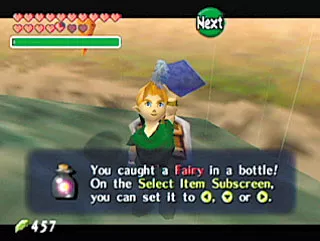
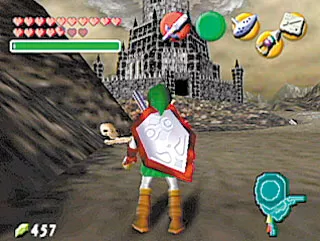
 Screenshots Legend Of The Zelda Ocarina Of Time (1998)
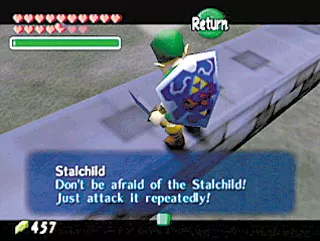
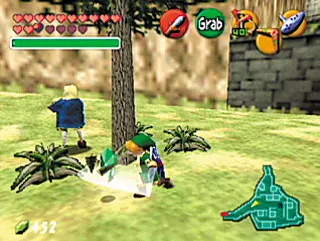
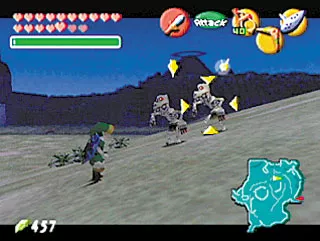
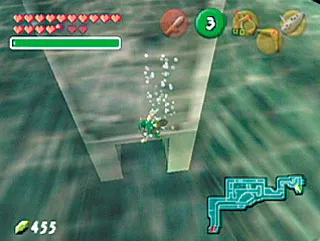
Screenshots Legend Of The Zelda Ocarina Of Time (2011)
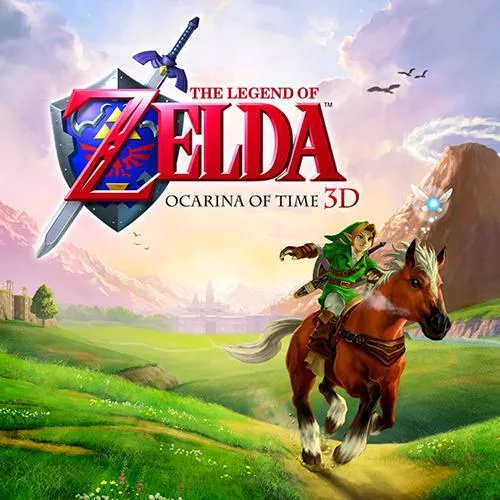
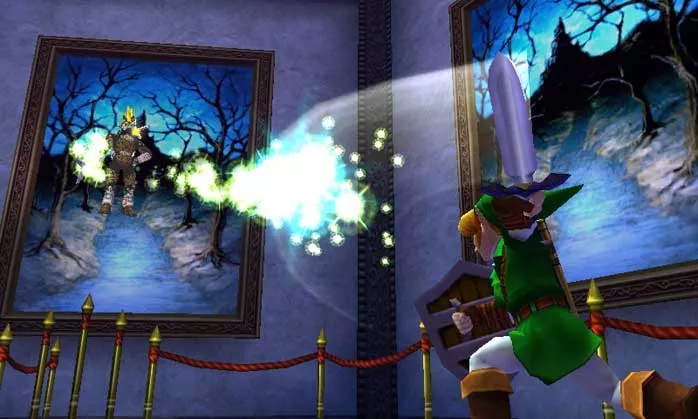
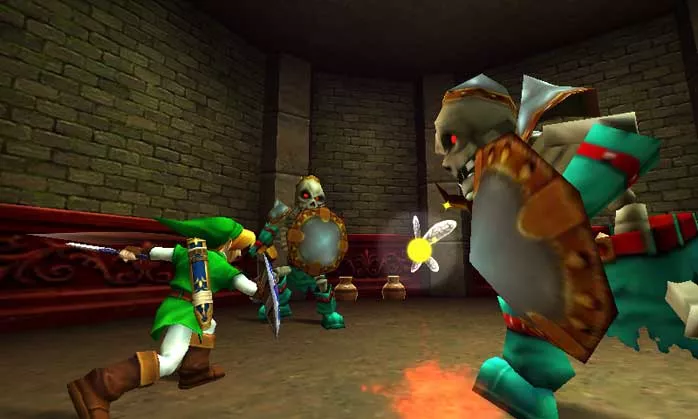
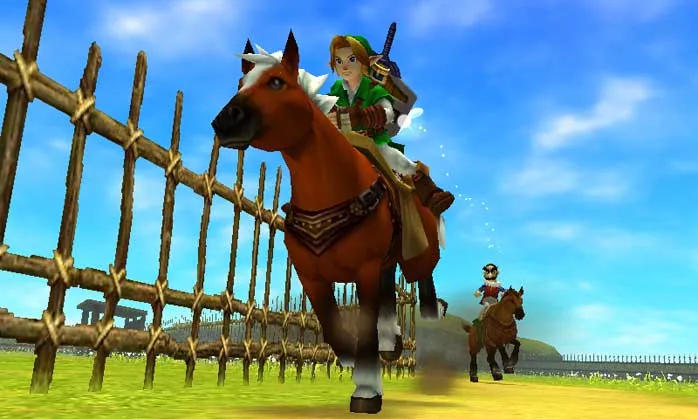
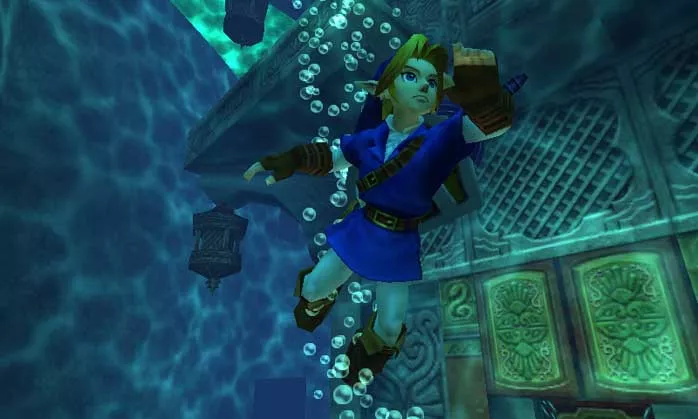
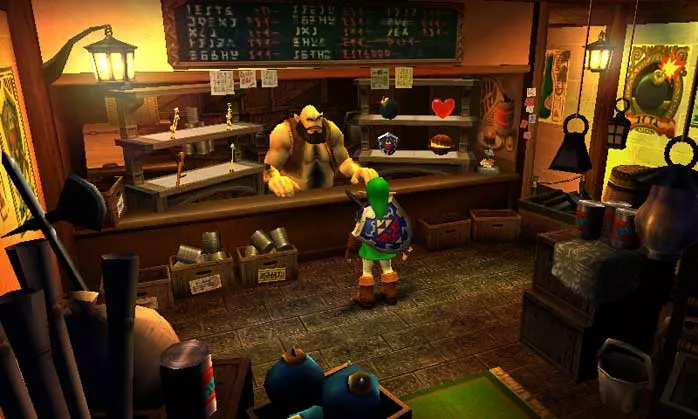
From Nintendo 64 to Nintendo 3DS and now Nintendo Switch 2. Ocarina of Time has been reimagined across three generations of Nintendo hardware.
Media Gallery